
People often view outsourcing as a way to reduce costs. It’s usually the first thing that comes to mind. And it’s true, it can reduce expenses, especially for labor, if you approach it smartly.
It Often Starts With Cost
It’s almost a default thought: “Can we get this done cheaper by someone else?” And the answer is often yes, but the “why” and “how” can be more nuanced than just a lower hourly rate.
The Old Model: Chasing Lower Wages
For a long time, the big cost-saving idea, especially for companies in Western countries, was to send work to places where wages were much lower—think parts of Asia or Eastern Europe. The calculation looked simple: if a worker there costs a fraction of what a worker here costs, you save money.
And for certain types of work, particularly tasks that could be done remotely and didn’t need a lot of back-and-forth with a local team, like some software development, data entry, or call centers—this model was very attractive. You could see direct, sometimes dramatic, reductions in your payroll.
But it’s not always that straightforward. The sticker price of labor isn’t the whole story. You’ve got to factor in other things. Managing a remote workforce across different time zones and cultures adds complexity, and that complexity has a cost, even if it’s just your own management team’s time and stress. Quality control can be harder at a distance. Sometimes communication gets tangled, leading to mistakes that need fixing.
For hands-on field services—where someone physically needs to be on-site in your operating region—this direct offshoring model for the technicians themselves doesn’t usually make sense. You can’t easily offshore a technician who needs to fix a machine in Calgary if they’re based in Bangalore.
What you might see, though, is companies offshoring parts of the field service operation—maybe the dispatch center, or some remote diagnostic support, or even parts procurement. But the folks turning the wrenches still need to be local. So, the pure “chasing lower wages overseas” idea has its limits when it comes to most field work.
A Smarter Way: Local Savings and Flexibility
This is where outsourcing locally, or “onshoring,” comes into the picture as a way to manage costs. It’s not about dramatically lower wage rates, but about a more efficient way of spending your money.
Think about the true cost of a full-time, in-house field technician. It’s not just their salary. You’ve got payroll taxes, employment insurance, pension contributions, health benefits, paid vacation and sick leave.
Beyond these, your business also carries the direct responsibility and cost for their comprehensive liability insurance, ensuring they meet all provincial safety standards, and keeping their safety certifications current – all vital for protecting your operations and reputation.
Then there are the costs of their tools, vehicle, phone, ongoing training, and certifications (which can be surprisingly expensive and time-consuming to keep current, especially when new provincial safety protocols are introduced).
You need to recruit, onboard, and manage them. You pay for their downtime when there isn’t a field job for them to do.
All these things add up to a much higher “fully loaded” cost than just the hourly wage you might see on a spreadsheet.
When you outsource a field project locally, you’re often shifting from these fixed, ongoing overheads to a variable cost. You pay for the specific service or the completed job. If there’s no work, you’re not paying an idle technician. This makes your costs more predictable and directly tied to revenue-generating activity or essential maintenance.
A specialized field service company can often do the work more efficiently and with greater peace of mind for you. They live and breathe field operations.
Crucially, reputable outsourced providers ensure their technicians are covered by appropriate liability insurance and possess up-to-date safety certifications, demonstrating a clear understanding of and adherence to provincial safety standards. This not only mitigates your risk but also means you’re entrusting work to professionals who are formally recognized for their commitment to safety and compliance.
Their technicians may be servicing multiple clients, resulting in higher utilization rates, which means less paid downtime per technician. This can translate to better rates for you. They might have invested in expensive diagnostic tools or specialized equipment that would be hard for your company to justify if you only need it occasionally. They buy tools and parts in bulk. Their training programs which often include rigorous safety refreshers and updates on evolving provincial standards, are spread across many technicians, making the per-unit cost of keeping skills sharp lower.
And what about those internal inefficiencies? If you have a small internal team, what happens when a specialized skill is needed that no one has? You either delay the job, try to muddle through (risking quality), or pay a premium for an emergency call-out.
If you pull a highly-paid engineer off a critical design project to fix a minor installation issue because “they’re the only one who knows that old system,” that’s a hidden cost. Outsourcing to a provider with a broader range of skills on tap, or who can handle those routine tasks, frees up your key people.
Outsourcing offers a way to bring in the exact expertise and capacity you need, for exactly as long as you need it. It’s this flexibility and focus on core operational efficiency that often makes local outsourcing a smart financial move, even if the hourly rates aren’t wildly different from what you’d pay an internal person. You’re paying for the outcome, not just the hours.
But It’s Not Just About Money
When it comes to sending people out into the field—to install, fix, or maintain things—the cost savings are still a draw. But field work has its own unique challenges. It’s often unpredictable and happens far from your direct oversight. This is where outsourcing can offer benefits beyond just the financial.
Sticking to What You’re Good At
It’s easy for a growing company to get sidetracked. You might have started by developing brilliant software, but as you expand, you find yourself managing a fleet of vehicles or coordinating technicians nationwide.
You see it happen: a company excels at one thing, then slowly, almost by accident, tries to become experts in logistics, national repair services, and customer scheduling. Pretty soon, the core product or service—the thing that made them successful—stops improving because everyone’s too busy juggling these other, often unfamiliar, tasks.
Outsourcing the field service component can let you refocus on your core business. It enables you to grow and expand your reach without compromising your core strengths or service quality for your existing customers.
Riding the Ups and Downs of Demand
Business often comes in waves. Some periods are incredibly busy; others are quiet. During peak times, you don’t want to turn away business because you lack capacity—that’s just leaving money on the table. Conversely, you don’t want skilled technicians idle during slow periods, because that’s an expense with no return.
Outsourcing can help manage these fluctuations. You can scale your field workforce up when demand is high and scale it back down when things quieten, often more efficiently than managing a fixed internal team.
Reaching Those Faraway Places
Canada is a vast country. You might have customers—or potential customers—in remote locations or scattered across many smaller towns. Building your own dedicated team to service these areas can be a logistical nightmare.
Consider the practicalities: hiring locally in remote areas can be tough. Sending your city-based technicians on long trips means they’re not available for their usual work.
You have to consider travel costs, accommodation, ensuring they have all the necessary tools and parts for any eventuality, and also the challenges of managing isolated staff effectively.
Sometimes, partnering with a specialized installation company like NTFS, which already has a presence in those areas or is experienced in remote logistics, is the most practical or even the only viable option.
When You Need Help Around the Clock
If your business involves technology, communications, or critical infrastructure, your customers might need—and expect—24/7 support. Alternatively, your own operations may require constant monitoring to ensure everything runs smoothly and that any issues are addressed promptly.
Building an internal team to provide true 24/7 coverage is a significant undertaking. It involves complex scheduling, finding staff willing to work unconventional hours, and often results in high overhead and potential burnout.
Many specialized field service organizations are structured precisely for this, with the systems and personnel to meet demanding Service Level Agreements (SLAs) for round-the-clock support.
How To Make It Work
The benefits can sound compelling. It’s tempting to think you can just assign the work to an external party and problems will solve themselves. But that’s where things can go wrong. You’re entrusting a part of your business, and often your direct interactions with customers, to someone else.
It’s More Than Just Signing a Contract
The most critical factor is not treating your outsourced team like a disconnected “third party.” Success rarely comes from a purely transactional, hands-off approach.
Why It Needs to Be a Real Partnership
If your own senior people aren’t genuinely engaged with the outsourced team and their performance, the arrangement is likely to underdeliver. It needs to function more like a partnership.
This means establishing clear, mutually agreed-upon goals. What does success look like for each project or task? How will it be measured? There needs to be a shared strategy for achieving these goals, regular communication, and transparent tracking of progress, not just when problems arise.
Trust and openness are fundamental. Without them, the relationship can easily sour, leading to missed deadlines, subpar work, and unhappy customers, which is often followed by the inevitable blame game. A true partnership focuses on preventing these issues collaboratively.
Getting Them Properly Up to Speed
The technicians performing your field work must understand your products, services, and expectations for customer interaction. Simply being a skilled technician isn’t enough if they don’t know the specifics of your offerings or the nuances of how you want your brand represented.
Don’t cut corners on their training. And training isn’t just watching a video or reading a manual. “Getting it” means they can articulate the key aspects back to you, demonstrate proficiency, and apply principles to solve problems they haven’t encountered before. This requires a greater initial investment of time and resources from both sides, but it significantly reduces the risk of errors and customer dissatisfaction in the long run.
Fixing Problems, Not Just Papering Over Cracks
Things will go wrong in field operations; it’s the nature of the work. When issues arise with an outsourced team, the response shouldn’t be an immediate search for who to blame. Instead, there needs to be a clear, agreed-upon process for investigating, resolving, and learning from these incidents.
This means digging into the root cause. Was it an individual error? Unclear instructions from your side? A faulty part? An unexpected customer request? If you don’t identify the fundamental reason, you’re likely to see the same “surprises” repeatedly. Documenting what happened, analyzing it thoroughly, and implementing changes to prevent recurrence is crucial. This has to be a joint effort.
How We Try to Do This at NTFS
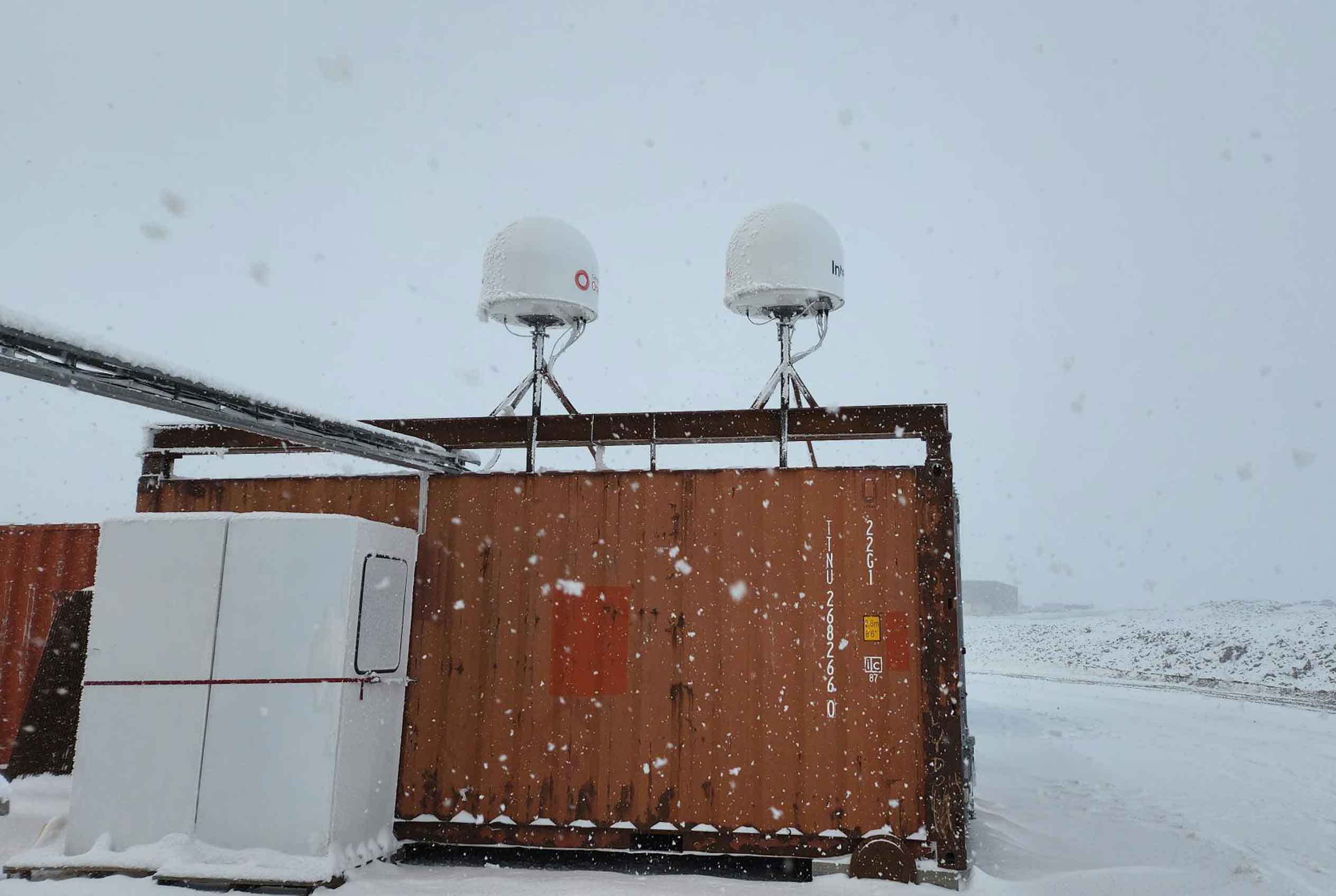
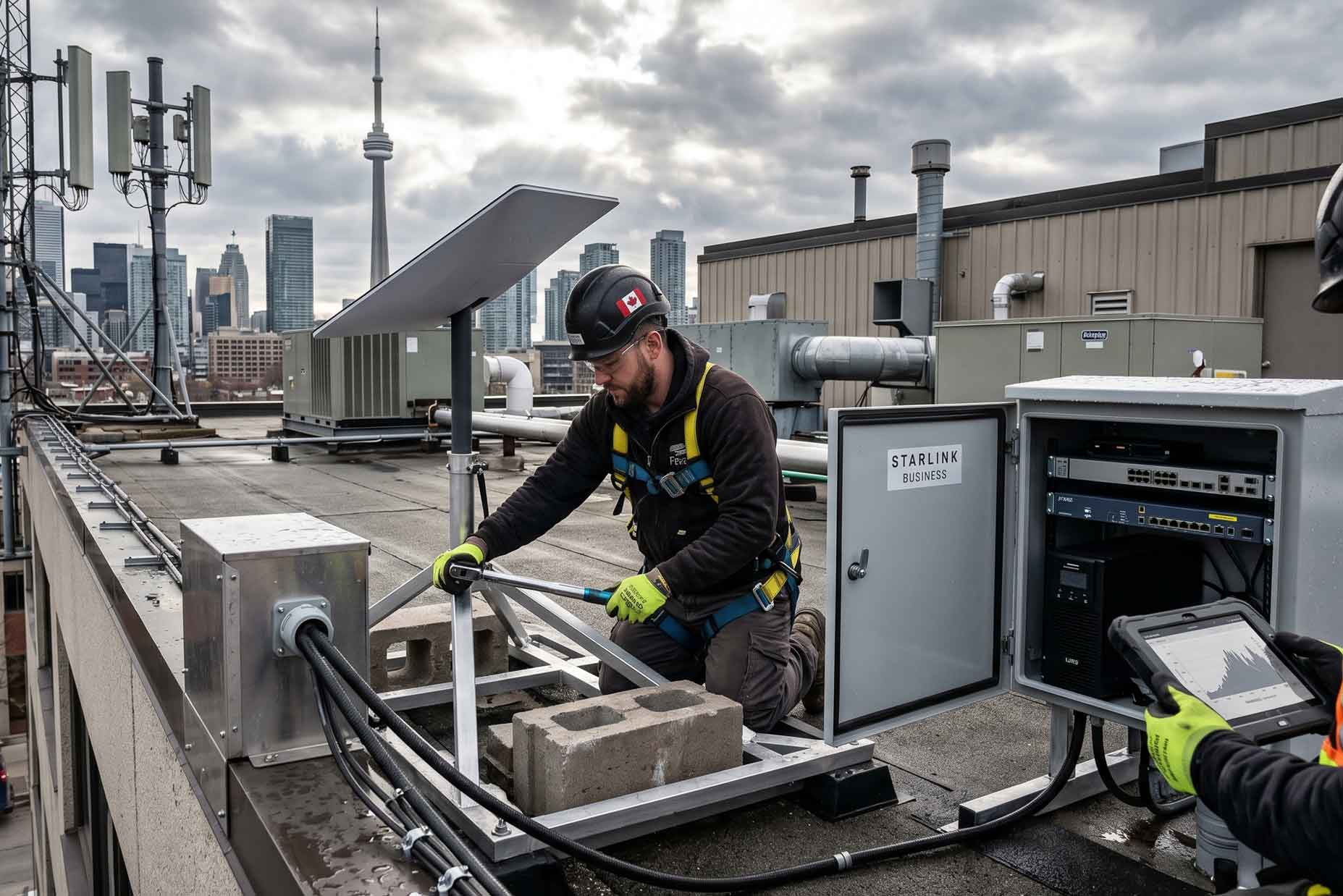
At NTFS, we’ve been providing technical field support across Canada for over 15 years. Our work ranges from installing Digital Signage and setting up Fibre to the Home, to deploying VSAT satellite systems for businesses in remote areas, handling structured cabling for offices, and managing VoIP transformations. We’ve installed and continue to service solutions, often under contract, at more than 5000 locations nationwide—from bustling urban centers to very isolated sites.
More Than Just Technicians on a Map
When companies approach us about outsourcing their field projects, managing costs is often a primary consideration. Our national network of technicians helps with that; we can generally deploy skilled people efficiently across the country.
But we’ve learned—often through experience—that the other elements we’ve discussed are just as vital, if not more so, for a successful long-term relationship.
Can we reliably service equipment at a remote mining operation, ensuring they have the necessary connectivity? Yes, that’s a core capability. Can we ensure a national retailer’s critical point-of-sale systems are installed correctly and maintained proactively, especially during their peak seasons? That’s what defines good service.
We aim to operate as that genuine partner. This starts with in-depth discussions—and a lot of listening—to truly understand a company’s specific needs, challenges, and what success looks like for them. It involves continuous training for our teams, not just on general technologies, but also on the specific equipment, processes, and customer service standards of the client we represent.
It’s not just about having people available. It’s about thoughtfully managing the complexities inherent in field service operations, aiming to make things a bit smoother and more predictable for the companies we support.
We know that if we don’t get these “hard parts” right, our clients will—and should—look for someone who can. That reality helps keep us focused on delivering more than just a basic service.
NTFS as Your Outsourcing Partner
NTFS has 15+ years experience in providing technical field support in areas such as Digital Signage, Fibre to the Home, VSAT Systems, Structured Cabling, VoIP and Business Satellite transformations. We’ve installed and continue to service under contract solutions at more than 5000 locations across Canada. By outsourcing your projects to NTFS, you can better manage costs through our nationwide network of technicians who can help you with field service projects across Canada.
Request a free consultation today.